Vendor Sourcing: A Complete Guide for Procurement Teams

Vendor Sourcing: A Complete Guide for Procurement Teams
Vendor sourcing is how procurement teams find, vet, and select the vendors that keep their businesses running, and getting it right is rarely a matter of luck. Your favorite vendors, the ones that go the extra mile, hold their pricing, and make purchasing easier, are a result of careful selection, good communication, and continued partnerships.
Finding these vendors and working with them to fulfill your company’s needs is easier with the right sourcing strategy. This kind of repeatable process turns these ideal vendor relationships into ones you can build again and again.
Quick answer:
- Vendor sourcing is the process of identifying, evaluating, and selecting vendors to meet defined business needs.
- A documented process lowers costs, reduces vendor risk, and makes each new search faster because you start from a consistent baseline.
- The right sourcing approach depends on the category. Single sourcing trades resilience for simplicity, while dual or multiple sourcing protects critical categories from disruption.
- Most sourcing failures trace back to a few avoidable mistakes, like chasing the lowest unit price, rushing due diligence, and over-relying on one vendor.
- Order.co brings vendors, purchasing, and spend visibility into one workflow so the vendor decisions you make during sourcing become the default every time your team buys. Only pre-approved products and vendors are visible to buyers, and AI sourcing surfaces better prices.
Download the free tool: Vendor Scorecard Template
What is vendor sourcing?
Vendor sourcing is the process of identifying, evaluating, and selecting vendors to fulfill business requirements. It involves researching potential suppliers to compare their capabilities, pricing, quality, risk factors, and negotiating terms. The goal is to secure reliable partnerships that deliver the best overall value, not just the lowest cost.
Sourcing ends once a vendor is selected and a contract is signed. Vendor management takes over from there to maintain the relationship and track supplier performance over time.
Benefits of vendor sourcing
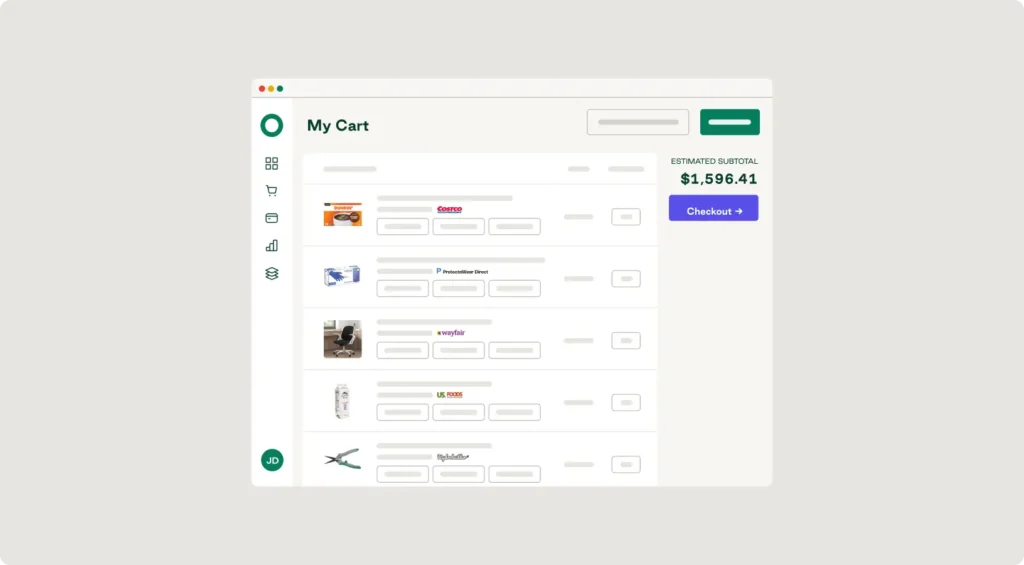
A well-defined sourcing practice lowers risk, strengthens your supply chain, and builds better vendor relationships over time. Benefits of a strategic vendor sourcing process include:
- Cost savings: Careful sourcing drives down costs through better contract negotiation and healthy competition among suppliers. Selecting reliable vendors at the right price helps you avoid hidden costs that come from rework or late deliveries. Pairing a successful process with the right vendor management software compounds those savings over the life of each relationship.
- Risk management: In a 2024 Gartner survey, 42% of procurement leaders named supply disruptions as the top threat to procurement’s future success. Sourcing acts as a frontline defense against supply disruption by reducing exposure to vendor fraud, price swings, and delivery failures. Clean, centralized vendor data management gives you the visibility to respond quickly when conditions change.
- Sustainable procurement: Sourcing is where environmental, social, and governance (ESG) standards enter your supply chain, and ESG has moved from a nice-to-have to a baseline expectation. In the 2024 Sustainable Procurement Barometer, more than 70% of organizations cited delivering on corporate sustainability goals as the top driver of their sourcing programs. Setting clear sourcing requirements lets you select vendors whose practices match your commitments.
- Better supplier relationships: Proactive sourcing builds partnerships that pay off well beyond the first order. Working closely with the right vendors reduces delays and exceptions, opens access to cost-efficient options, and creates long-term success.
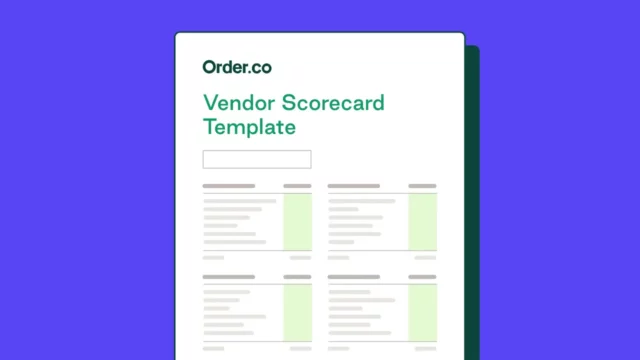
Vendor Scorecard Template
Objectively evaluating vendors can prove to be a challenge. Download our free vendor scorecard to make the process easier.
Types of vendor sourcing
Sourcing goes beyond finding a vendor to fill an order. Several approaches exist, and the right one depends on what you're buying and how much control or resilience you need.
- Outsourcing: Outsourcing involves assigning work to an external provider rather than performing it in-house. This reduces costs, gives you access to specialized skills without full-time hires, and frees your team to focus on core work.
- Insourcing: Insourcing is when you draw on existing employees, processes, and capabilities to meet an internal need. It gives you more control over budget, timeline, and resources, plus the flexibility to adjust quickly.
- Near-sourcing: Near-sourcing is procuring goods and services from local or regional vendors. It lowers shipping and logistics costs, shortens lead times, and reduces reliance on overseas vendors.
- Low-cost country sourcing (LCCS): LCCS is buying from vendors in lower-cost regions to reduce production costs after assessing each location's economic stability and labor market. Common LCCS regions include China, India, Mexico, and Vietnam.
- Global sourcing: Global sourcing involves sourcing from vendors worldwide to find the most cost-effective option, spanning both developed and emerging markets.
- Single sourcing: Single sourcing means using only one vendor for a category. It lowers administrative overhead and can strengthen the relationship but raises dependency risk if that vendor runs into trouble.
- Multiple or dual sourcing: These methods use two or more vendors for the same category. This improves resilience and gives you more negotiating leverage but costs slightly more in coordination.
You can also think about sourcing by spend type:
- Direct sourcing: Buying the raw materials that make up your products.
- Indirect sourcing: Purchasing the goods and services that keep your operations running.
- Hybrid sourcing: Sourcing approaches that combine both direct and indirect sourcing.
Most mid-market operators primarily manage indirect spend like packaging, office supplies, and cleaning supplies. That's exactly where fragmented purchasing and rogue spend tend to surface.
8 steps for vendor sourcing
A repeatable supplier sourcing process moves from defining what you need to selecting and contracting the right vendor. These eight steps give you a framework you can use for every category and search.
1. Conduct a needs assessment
Examine what your team actually requires, including the type of goods or services, delivery times, and pricing expectations. Knowing this up front informs the decision-making that follows.
2. Evaluate the market
Run market research to understand current pricing, delivery norms, market leaders, and trends. A clear picture of the market frames your negotiations and sets realistic expectations before engaging potential vendors.
3. Establish vendor prerequisites
Every department, from procurement and legal to security and finance, should have their own evaluation criteria for any vendor. Codifying these requirements into policies means each search starts from the same baseline, which saves time on every future sourcing event, increasing operational efficiency.
4. Create a sourcing framework
A sourcing framework defines how you identify and vet vendors, covering geographic parameters, volume capabilities, reference checks, proposal structure, and contract requirements. Building structure around the process takes the guesswork out of finding the right vendor.
5. Compile a vendor shortlist
Once you have a framework, narrow your candidates to those that best fit your prerequisites and align with your organization's goals. Aim for at least three viable bids to compare (the "three bids and a buy" approach).
With a shortlist in place, most teams run a formal sourcing event using one of three tools:
- Request for information (RFI), which gathers basic capabilities to confirm which vendors are worth pursuing
- Request for proposal (RFP), which asks shortlisted vendors for detailed proposals on how they would meet your requirements
- Request for quotation (RFQ), which collects precise pricing when your specifications are already locked down
6. Conduct due diligence
Due diligence confirms a vendor is reliable and financially sound before you commit. Screen for red flags like financial instability or reputational issues, check references, and gather feedback from previous customers. A structured supplier evaluation process ensures every critical risk factor is reviewed consistently across candidates.
7. Select a vendor
Create a scoring system that rates each vendor against the criteria that matter most to your team, such as cost-effectiveness, quality standards, service history, and compliance with industry standards. Score candidates objectively, and involve stakeholders from across the business so concerns surface before you commit. Once you choose a vendor, a structured vendor onboarding process sets the relationship up to deliver.
8. Negotiate contract terms and finalize the agreement
Negotiate with clear objectives, knowing what you need on both service and cost and what concessions you're willing to make. Once terms are agreed upon, document them in a contract that spells out scope, pricing, and delivery expectations to protect both parties.
Clear payment terms here also help you reduce vendor payment errors once invoices start arriving. Anchor the discussion in total cost of ownership rather than unit price so you choose the best total value over the life of the relationship.
Common vendor sourcing mistakes to avoid
Most sourcing failures trace back to a handful of avoidable missteps. Watch for these four mistakes, and learn the corrective behavior that keeps each one from derailing your search:
- Over-indexing on price: Chasing the lowest unit cost ignores total cost of ownership and often leads to quality issues, rework, or service gaps that cost more later. Score vendors on total value instead.
- Rushing due diligence: Skipping financial stability and compliance checks invites disruption from a vendor that can't deliver or meet regulatory standards. Build a consistent screening step into every search.
- Vague requirements: Going to market without clear specs produces proposals you can't compare and contracts that miss the mark. Define requirements before you issue an RFP.
- Single-vendor dependency: Relying on one vendor for a critical category leaves you exposed if they fail. Dual-source the categories you can't afford to lose.
Vendor Scorecard Template
Objectively evaluating vendors can prove to be a challenge. Download our free vendor scorecard to make the process easier.
"*" indicates required fields
How Order.co makes vendor sourcing easier
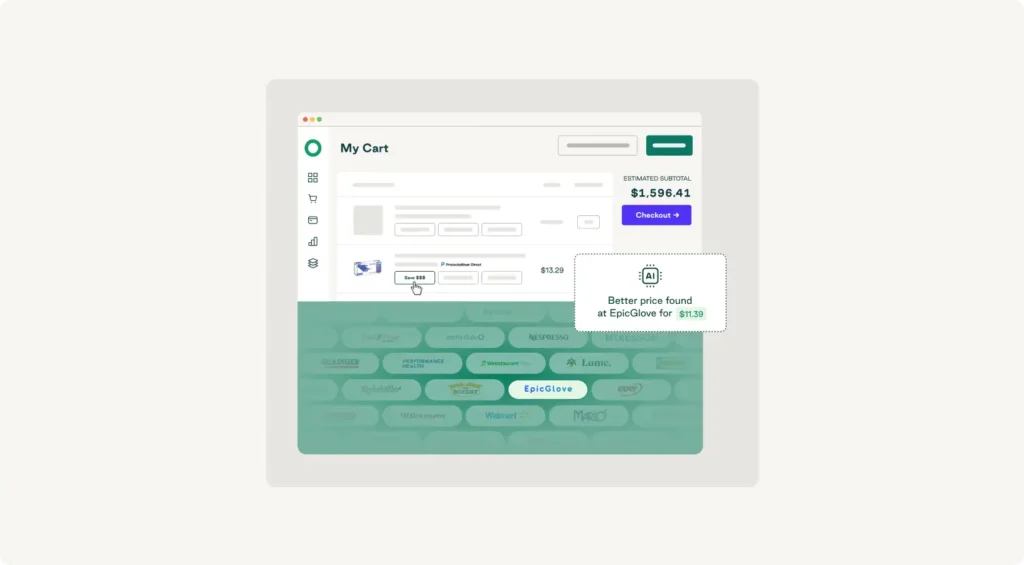
In procurement processes, vendor data, spend history, and approvals usually live in different places, breaking down even the most thoughtful sourcing processes once buying begins.
Order.co closes that fragmentation gap by bringing vendors, purchasing, and spend visibility into one workflow through its strategic sourcing software:
- Only pre-approved products and vendors are visible to buyers, so compliant purchasing is the default path.
- You get access to a network of more than 40,000 vetted vendors, so many of the vendors you want to work with are already onboarded.
- Spend controls and reporting help inform negotiation and vendor selection.
- The platform’s AI sourcing algorithm finds the best price across suppliers and surfaces options when a product is out of stock. On average, teams realize hard-dollar savings of around 5%.
- You can bring your own vendors into the platform with a dedicated onboarding team to handle the documents and setup.
See how you can simplify your strategic sourcing. Schedule a demo to keep your sourced vendors in place once buying begins.
FAQs about vendor sourcing
Get started
Schedule a demo to see how Order.co can simplify buying for your business
"*" indicates required fields